
Key Takeaways
- SMEs are not a homogeneous group
- Their success depends on an entrepreneurial mindset
- Family businesses are powerful economic engines, yet often overlooked.
- To thrive, SMEs must embrace calculated risk, digital tools, continuous learning, and legacy-building, while leveraging ecosystem support.
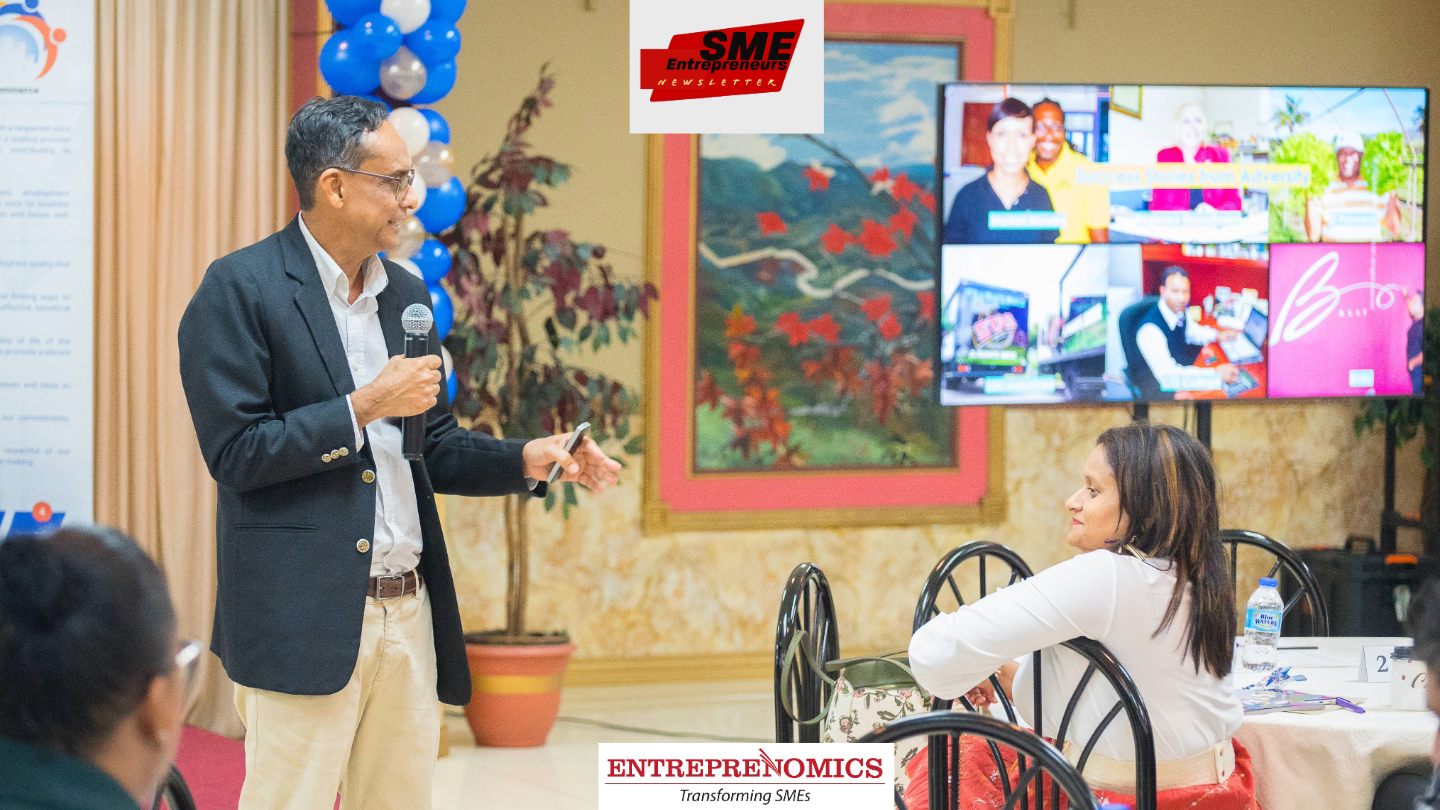
The Chaguanas Chamber of Industry and Commerce (CCIC) recognized World MSME Day 2026 with an event themed "Innovation & Human‑Centred AI" on Wednesday, 1st July 2026, at Kampo Vibes Restaurant and Lounge.
This is your bi-weekly SME Entrepreneurs Newsletter with more in-depth analysis.
World MSME Day 2026 brought together business owners, professionals, and policymakers to explore how micro, small, and medium‑sized enterprises (MSMEs) could harness artificial intelligence, digital innovation, and agile leadership to remain competitive in a rapidly changing economy. The event was designed for MSMEs facing challenges such as digital transformation, visibility and marketing, operational pressures, and uncertainty about how AI fits into their business models.
I had the privilege of presenting on the topic, “Inside the SME Sector: Insights, Challenges, and Recommendations.” (I have the full presentation as a downloadable file)
This presentation, “SME Sector: Insights, Challenges & Recommendations,” examines the realities of small and medium enterprises (SMEs), exposes key blind spots, and offers practical guidance for entrepreneurs, especially in the context of family businesses.
SME myth
It begins by challenging the “BIG SME Myth.” While the SME acronym is widely used, the sector is not a single, uniform group. Micro, small, and medium enterprises differ significantly from each other and operate across diverse sectors. Because of this, policymakers and support agencies must avoid treating SMEs as a homogeneous block. The presentation raises essential questions: How big is the SME sector? How do we define firm sizes? What are their real challenges? Why do they fail? And how effective is support from the state and private sectors?
To balance the problem focus, I presented “Success Stories from Adversity”, showcasing firms such as Market Movers (Rachel Renie and David Thomas), Regency Recruitment (Lara Quentrall-Thomas), D’Farmers (Dindial Sikumar), SMI Industries (Naitram Maharaj, CTS College (Ravi Ragoonath), and Bally (Ashwin Bally). These examples demonstrate that well-run SMEs can grow, innovate, and create significant value.
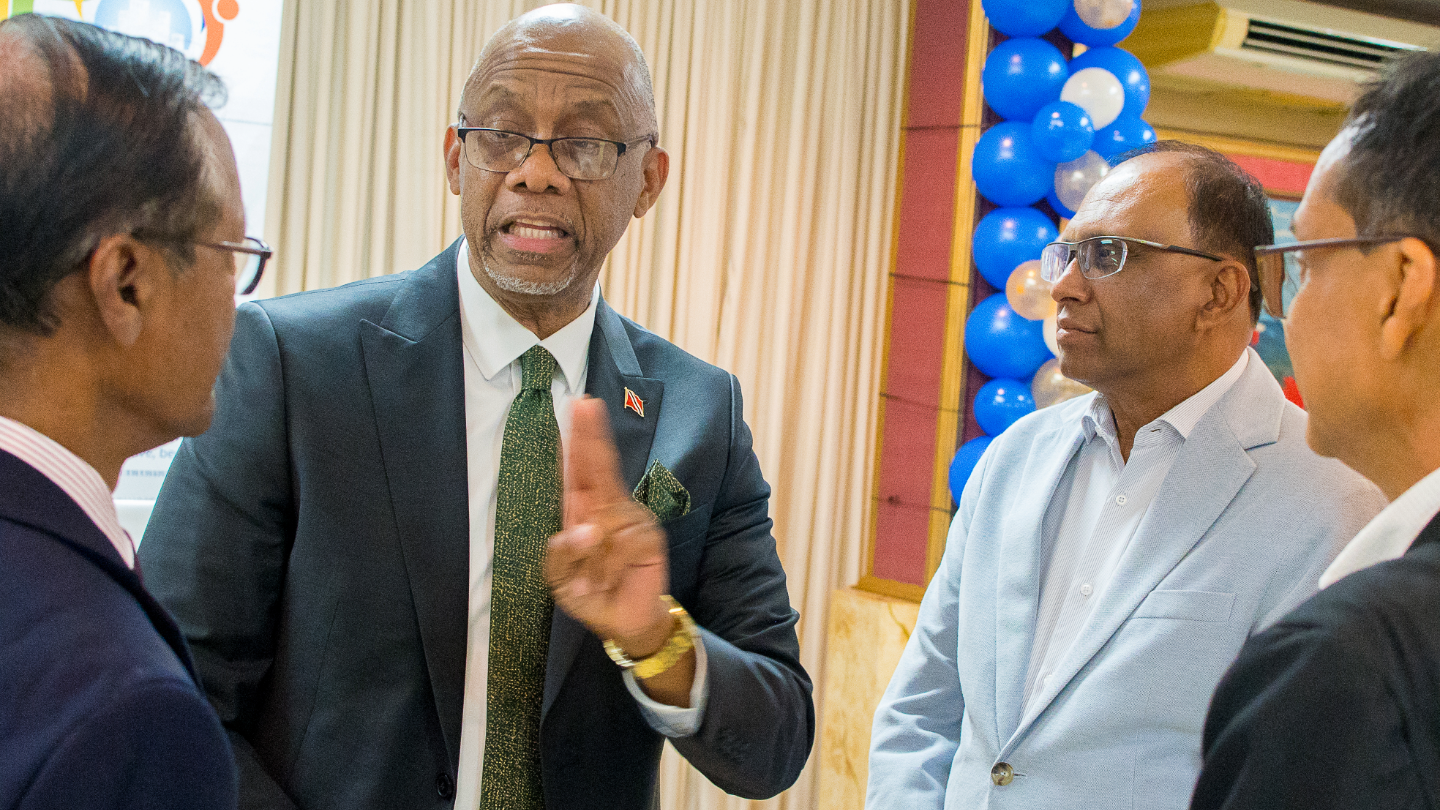
Hon. Senator Leroy Baptiste,
Minister of Labour, Small and Micro Enterprise Development
SME lifecycle
Using an organizational life-cycle curve, the presentation shows how firms move from start-up through growth and plateauing into renewal or decline. The “Danger Zone” appears in the early and growth stages, where the failure rate is high. Many SMEs never reach sustainable scale because they lack systems, strategy, and an entrepreneurial mindset.
The distinction between a businessperson and an entrepreneur is explored with a simple example: a doubles vendor. The question is whether producing a common street food automatically makes someone an entrepreneur. The presenter asks what barriers prevent this small business from scaling. This leads into a deeper look at the entrepreneurial mindset: entrepreneurs are calculated risk takers, innovators who use available resources, identify and create opportunities, embrace uncertainty, experiment, and value achievement over money. They also build better systems, organizations, and societies.
Family business blind spot
A major blind spot in discussions of SMEs is the role of family businesses. Family firms are often missing from policy and support conversations, yet they are “BIG businesses.” According to FFI, family businesses account for an estimated 50–80% of all global businesses. Research from the University of St. Gallen and EY shows that the world’s 500 largest family firms generate over US$8.8 trillion in annual revenue, which would make them the third-largest economy in the world. Family firms tend to outperform non-family firms because they have access to patient capital (a lower cost of capital), keep costs low by leveraging family support, and are more opportunistic in finding or creating opportunities.
SME challenges
The presentation then turns to the core challenges facing SMEs and family firms. One is a mindset gap: many are not truly creative problem solvers or opportunity-driven. Another is risk aversion. Entrepreneurs often stay in their comfort zone, rely on “nanny” governments, and fail to innovate. The digital divide is another barrier: as of 2022, 25% of SMEs lacked adequate digital infrastructure. Yet digital technologies now lower operating costs and open global markets, so failing to adopt them is a serious handicap. The ecosystem also includes key state and support entities such as NEDCO, CARIRI, and ADB, which can help SMEs innovate, access finance, and build capacity. Still, their impact depends on how entrepreneurs engage with them.
Recommendations
The final section provides recommendations. First, SMEs need greater access to state contracts to stabilize revenues and scale. Second, they must actively develop an entrepreneurial mindset: running experiments to discover opportunities, taking small, calculated risks, seeking feedback, solving problems creatively, and building a culture of entrepreneurship within the firm. Third, entrepreneurs should design a “personal curriculum”: avoid intellectual stagnation (“brain rot”) by setting learning goals, creating a learning schedule, and subscribing to relevant business and industry publications. Continuous learning becomes a strategic asset.
Finally, the presenter emphasizes the importance of leaving a business legacy: starting a family business, instilling an entrepreneurial culture in the family, developing a succession plan, and eventually becoming a serial entrepreneur when ready to move on. The closing point acknowledges that entrepreneurs are often lonely, as they see a future that many others do not, and that this psychological space requires coping with uncertainty.
Do not forget to download your slide deck, "Inside the SME Sector: Insights, Challenges, and Recommendations".
Ask the Adviser
Fill out the contact form here.
See you in two weeks for another edition of your SME Entrepreneurs Newsletter.
May you always have the mindset of an entrepreneur.
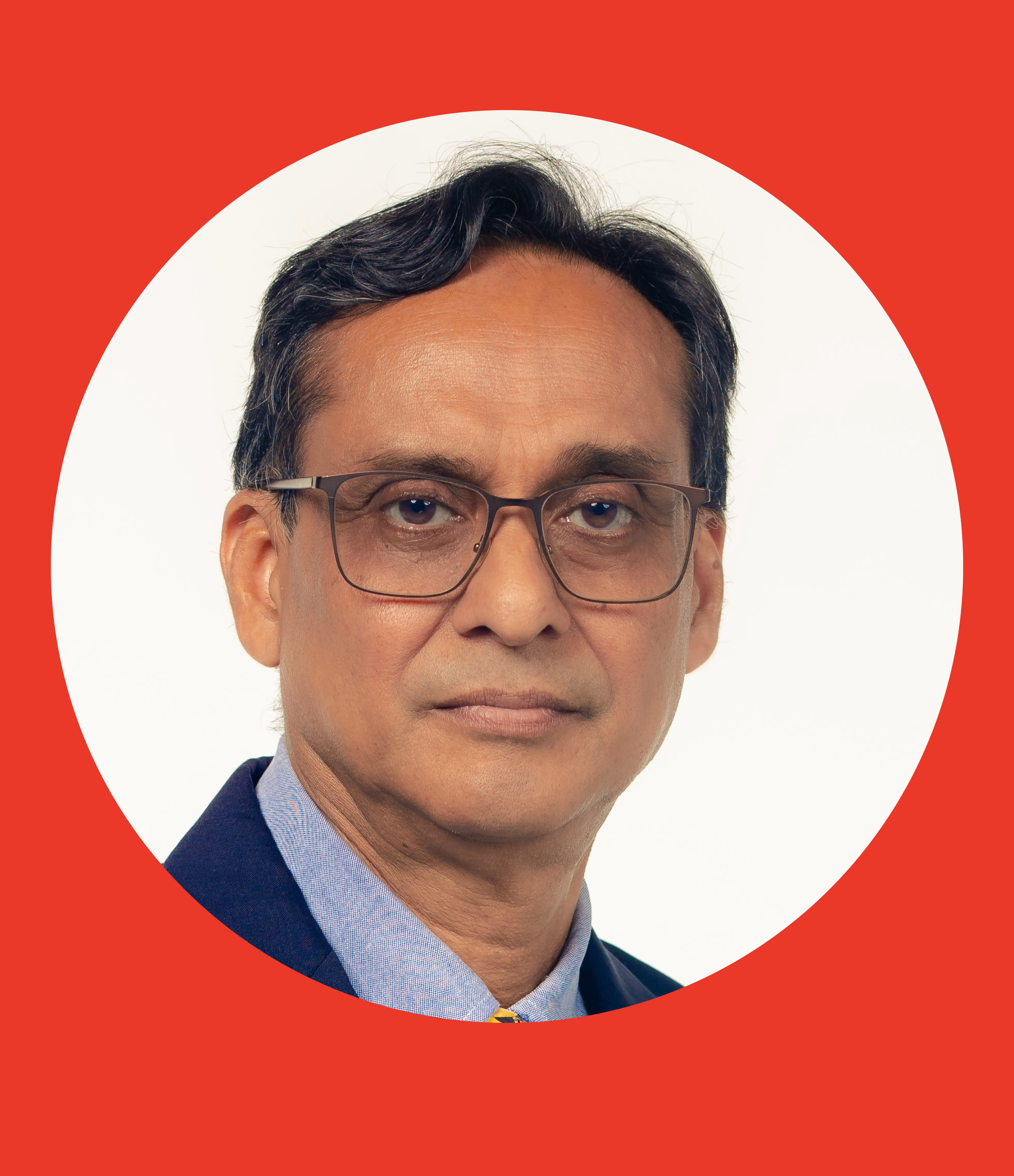
Sajjad Hamid is an SME & Family Business Adviser who supports entrepreneurs in scaling their ventures. In his spare time in Trinidad and Tobago, he cultivates organic tropical fruits and vegetables, practising sustainable farming in his home garden.
He is the author of Build Your Legacy Business: Solopreneur To Family Business Hero. Sajjad is a Fellow of the Family Firm Institute. He writes a column titled Entreprenomics in the Business section of the Trinidad and Tobago Guardian. You can contact him at [email protected] or visit www.entrepreneurtnt.com.
Responses