
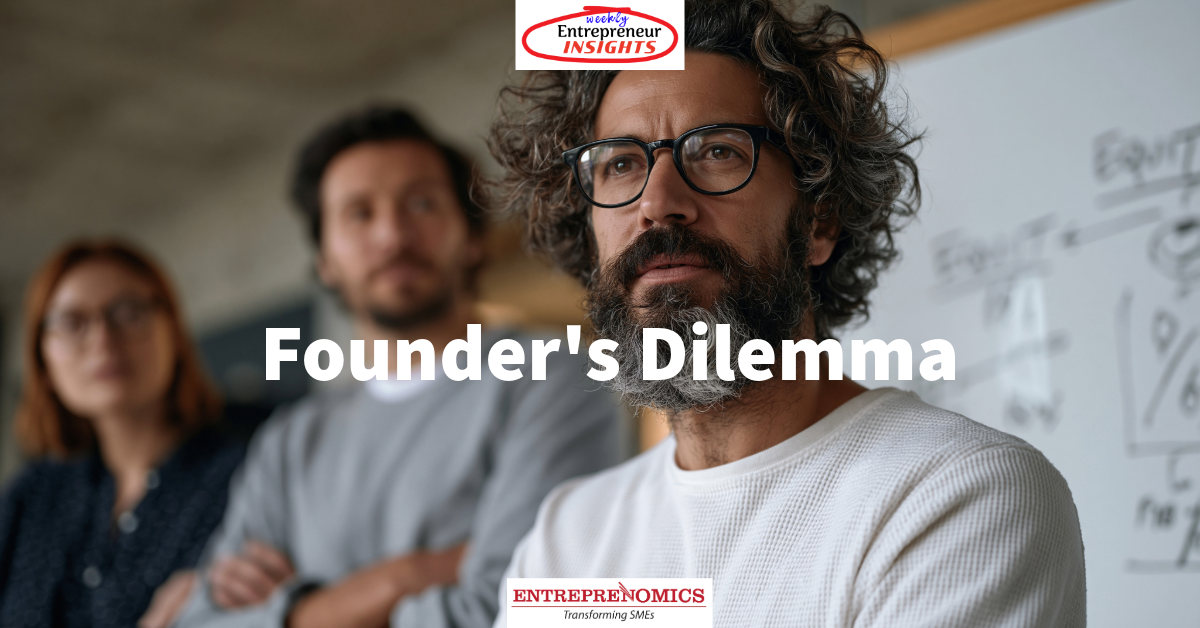
In many family businesses and small to medium-sized companies, the founder is the engine. They carry the history, customer relationships, standards, and instinct for what works.
This is your weekly Entrepreneur Insights 5-minute read with ideas to improve your business in a How to series format.
Strength can become the constraint
The warning signs are usually familiar. Every meaningful decision comes back to you. Team members wait for approval before moving forward. Key clients only want to speak with you. Operational problems land on your desk, even when they should belong elsewhere. Progress slows, not because people are unwilling, but because the business has learned to pause until you weigh in.
At first, this feels responsible. You are protecting quality. You are managing risk. You are keeping promises.
Over time, you create dependency
A business that relies too heavily on the founder cannot move faster than the founder’s available time, attention, and energy. Growth becomes harder. Succession becomes unclear. Good people become frustrated because they are accountable for outcomes without having real authority. The founder becomes exhausted because the company cannot function without constant involvement.
Design problem, not people
The solution is not to disappear from the business overnight. It is to separate the decisions that truly require your judgment from the ones that should be owned by others.
Start by tracking where the bottleneck appears most often. Is it pricing? Hiring? Customer issues? Supplier decisions? Quality control? Cash flow? Once you see the pattern, define who should own each area, what decisions they can make, and when they need to escalate.
Then document the principles behind your decisions. Your team does not need to copy your personality. They need to understand your standards. What does a good client look like? When do you say no? What level of risk is acceptable? What must never be compromised?
The aim is not to lower control. It is to move control into systems, roles, and shared standards instead of keeping it trapped in one person.
Clear takeaway: if the business stops when you are unavailable, the next stage of growth depends on reducing founder dependency.
Your job is not to be the answer to every question. Your job is to build a business that knows how to answer more questions without you.
Quote for the week
“The graveyards are full of indispensable men.”
Charles de Gaulle, ex-president of France.
Ask Sajjad
Fill out the contact form here.
See you next week for another edition of weekly Entrepreneur Insights. May you always have the mindset of an entrepreneur.
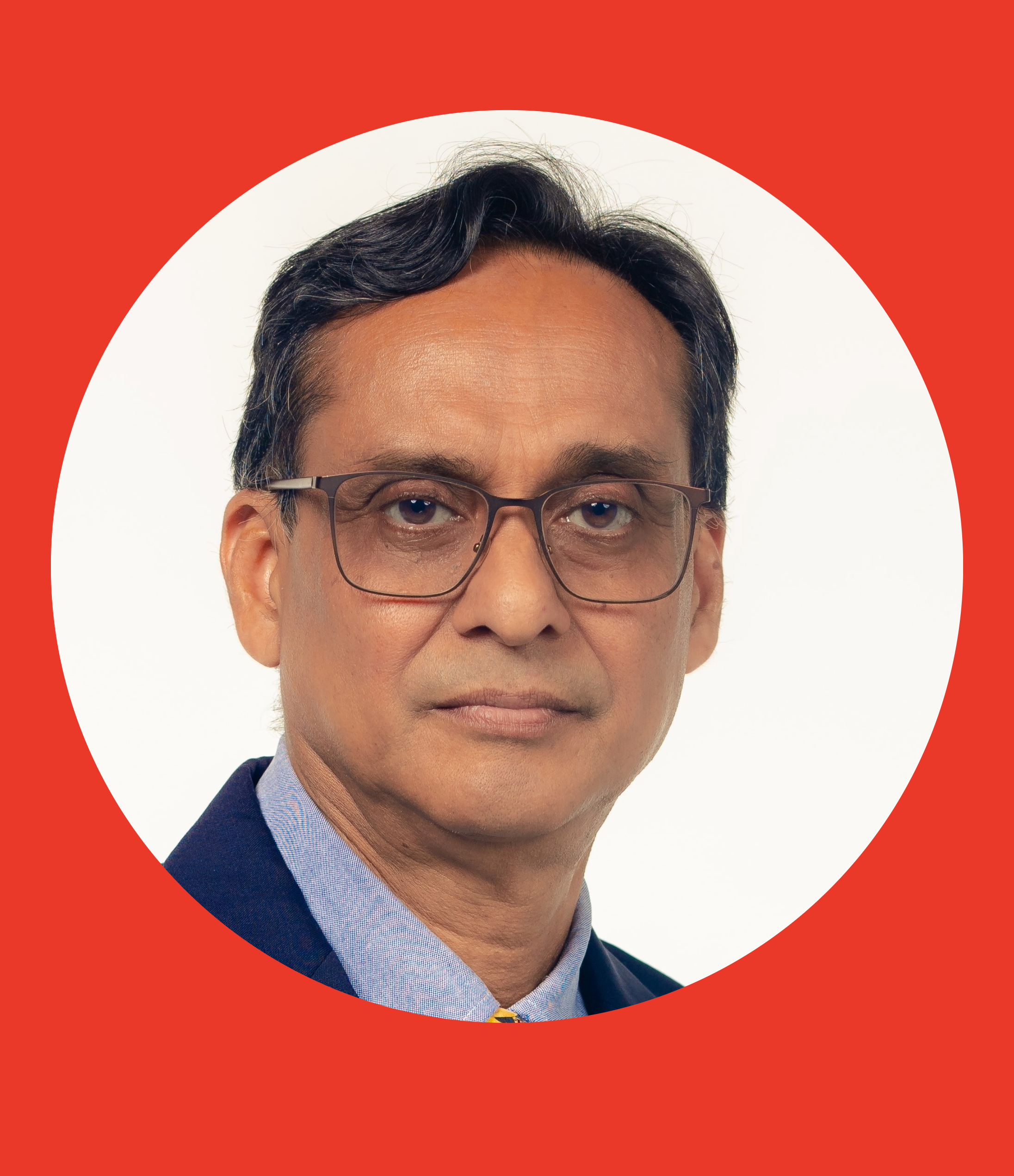
Sajjad Hamid is an SME & Family Business Adviser who supports entrepreneurs in scaling their ventures. In his spare time in Trinidad and Tobago, he cultivates organic tropical fruits and vegetables, practising sustainable farming in his home garden.
He is the author of Build Your Legacy Business: Solopreneur To Family Business Hero. Sajjad is a Fellow of the Family Firm Institute. He writes a column titled Entreprenomics in the Business section of the Trinidad and Tobago Guardian. You can contact him at [email protected] or visit www.entrepreneurtnt.com.


Responses