
Key Takeaways
- Transitioning from a knowledge professional to a knowledge entrepreneur requires a success model- the Knowledge Development Solopreneur Model.
- The foundation of the model, the entrepreneurial mindset
- Then take stock of your expertise.
- Second, solopreneurs can create digital products based on their talents and the struggles that people face
- Then, develop a business development strategy to get first feedback, then convert to a client
- Finally, in the delivery stage, the entrepreneur transfers the knowledge intervention to the receiver.
You understand we are in the knowledge era. While you have accepted that fact as a knowledge professional, you may have wondered why, with all the years of experience, I am not generating the same level of success as other professionals and traditional entrepreneurs. Nothing is wrong with your years of expertise, but you may need a model for engaging others and transitioning to a knowledge entrepreneur.
This is your bi-weekly SME Entrepreneurs Newsletter with more in-depth analysis.
Enter the thought practitioner, who is not an influencer or a thought leader. This professional sells an “intellectual blueprint” to solve other people’s problems or challenges. They do not sell advice; they market a proprietary methodology. Given that technology has enabled individuals to start and scale their ventures inexpensively and reach vast audiences from the comfort of their homes, you can become a knowledge solopreneur with limited resources.
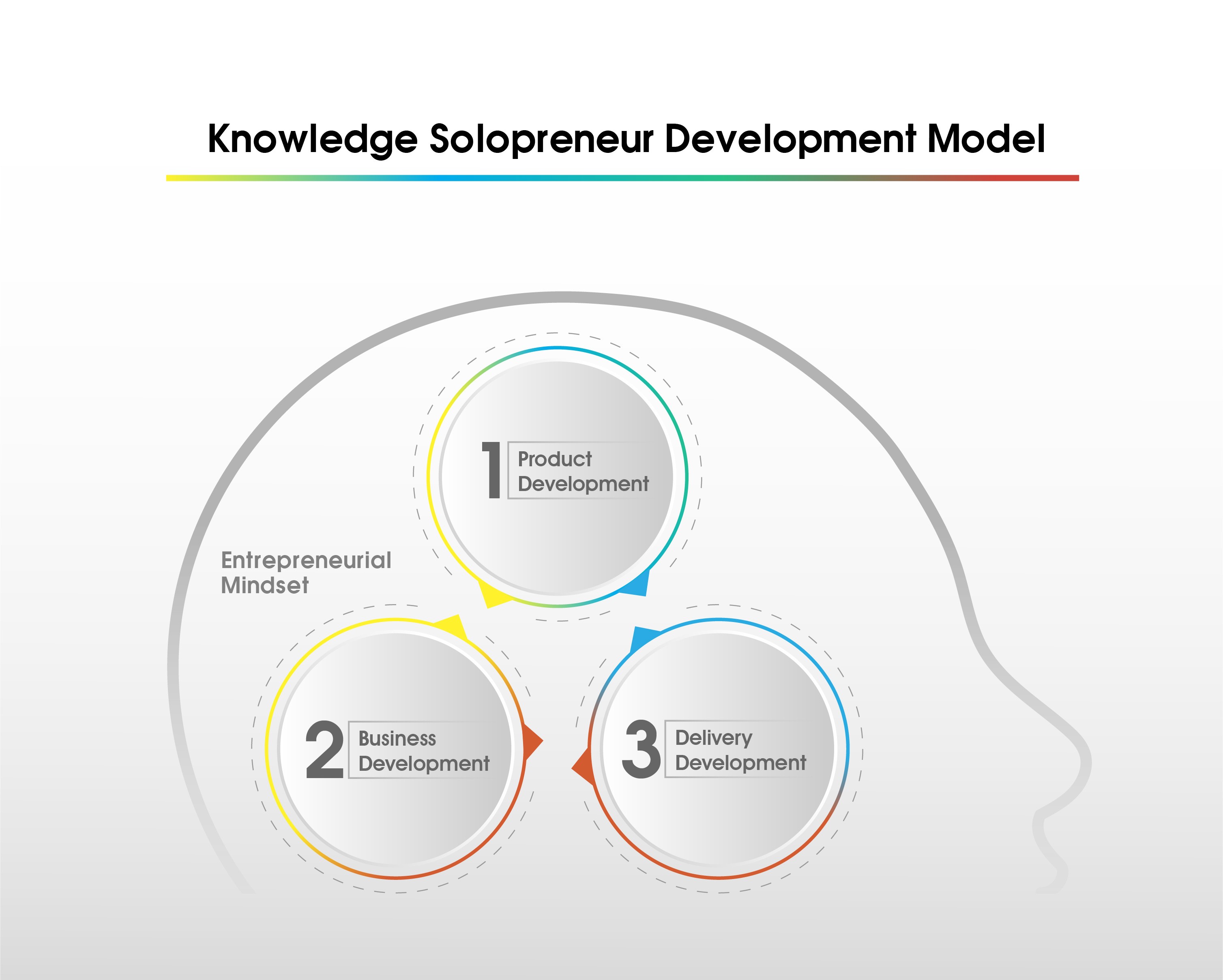
Can you, as either a part-time employee or a retiree (if that concept exists), leverage your talents to unlock personal value? Transitioning from a knowledge professional (formerly a worker) to a knowledge entrepreneur requires a success model. The foundation of the model, the entrepreneurial mindset, influences the strength of the other components, walls and roof, which together work in an integrated way. This model is called the Knowledge Solopreneur Development Model.
Entrepreneurial mindset
First, take stock of your expertise. You may not fully appreciate your inventory of experience. One day, I was asked to develop a workshop for financial advisers who wanted to engage the SMEs. I thought this might be a challenge, as it requires an understanding of SMEs, sales techniques, and insurance and investment products. While trying to craft this course, I found I was designing it much more quickly than I had anticipated, which put me in reflective mode. I sold SMEs before and was also a lecturer in sales and marketing. In addition, I understood entrepreneurs well, so I could craft the workshop from an insider perspective.
Another way to determine the value of what you know is to reflect on the praise you get from superior performance or assistance in things that people struggle with. Ask where you spend your time and money on your educational journey, and how you combine them to create a new way.
Secondly, once your intellectual resources are understood, the most important transition is a shift in mindset. Becoming an entrepreneur is not easy. It requires a different way of thinking and acting about risk-taking, dealing with uncertainty, opportunity-seeking, and creative problem-solving, often leading to innovative solutions.
Product development
Often, solopreneurs can create digital products (eBooks, workshops, webinars, etc.) that incur no inventory carrying costs and can cross borders without customs duties or port delays. This is just one of the beauties of knowledge entrepreneurship in an online world.
Of course, you need to have something of value to sell. This might require some trial and error before you get market validation. A business experiment requires a minimum viable pilot to be tested and refined with feedback. To guide your design, you need to write a value proposition statement. Why should someone buy from me and not others?
Frequently, you may have an idea so novel that it requires a unique marketing approach. If you develop an online guitar course for the physically challenged who need both synchronous and asynchronous assistance, you will need to incorporate their disability in your product development. Never assume your wonderful idea can gain market traction; many ideas are duds, and you will have to “kiss many frogs before you find a prince” (one with commercial potential).
You should design a simple promise to your clients: “In X weeks, you’ll go from [start] to [finish], and you will learn how to master the basics of growing salad crops in your organic home garden.”
Business development
Having developed a prototype, you need to conduct smart testing to gauge its market viability. In the digital world, this can be done cheaply and quickly; first, you need to define your target market, and this is where entrepreneurs fail fast. If you go shooting all over the market, you will conclude there is no market, or your prospects are unwilling to pay your price.
Business development is about sales and marketing; however, as a digital solopreneur, you need to master digital technologies to integrate them into the sales process. Many aspiring entrepreneurs hate personal selling because rejection creates dissonance. Remember, as a soloist, you are the marketing department, and you will draft emails and design campaigns with AI. This could take some of the stress out of it, as you may not have to deal with them face-to-face.
Delivery development
Having gotten clients, it is time to host your webinar or workshop. Remember, if it is a training course, it is good to establish your prospect's needs and how you can help them achieve their transformation. Since you are a newcomer, price accordingly and do not charge as an expert. Prepare a list of questions that may arise during your intervention, and remember, you can offer mentorship as an upsell.
The knowledge practitioner who wants to transition to an expert entrepreneur can benefit from greater control over their careers and greater appreciation for their talents. In a digital world, knowledge solopreneurs can connect with prospects facing challenges that traditional institutions, whose focus is more academic, may be unable to address. However, the neo-professional with experiential knowledge can serve as an interventionist, applying an entrepreneurial mindset to create a scalable, multi-stream income-generating intellectual venture.
Ask the Adviser
Fill out the contact form here.
See you in two weeks for another edition of your SME Entrepreneurs Newsletter. May you always have the mindset of an entrepreneur.
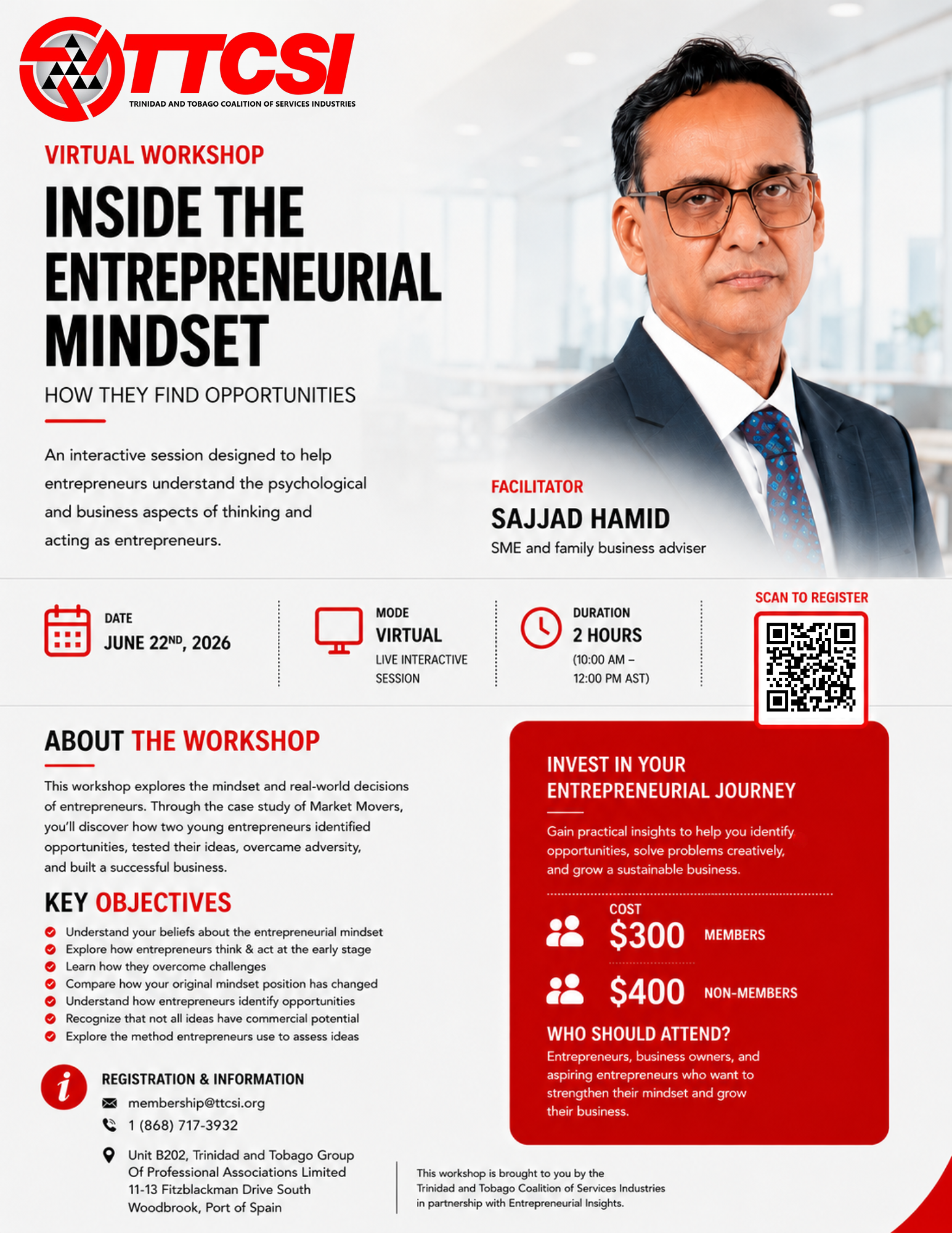
Join me for TTCSI's virtual workshop titled "Inside the Entrepreneurial Mindset" and find out how entrepreneurs can find opportunity.
Register:
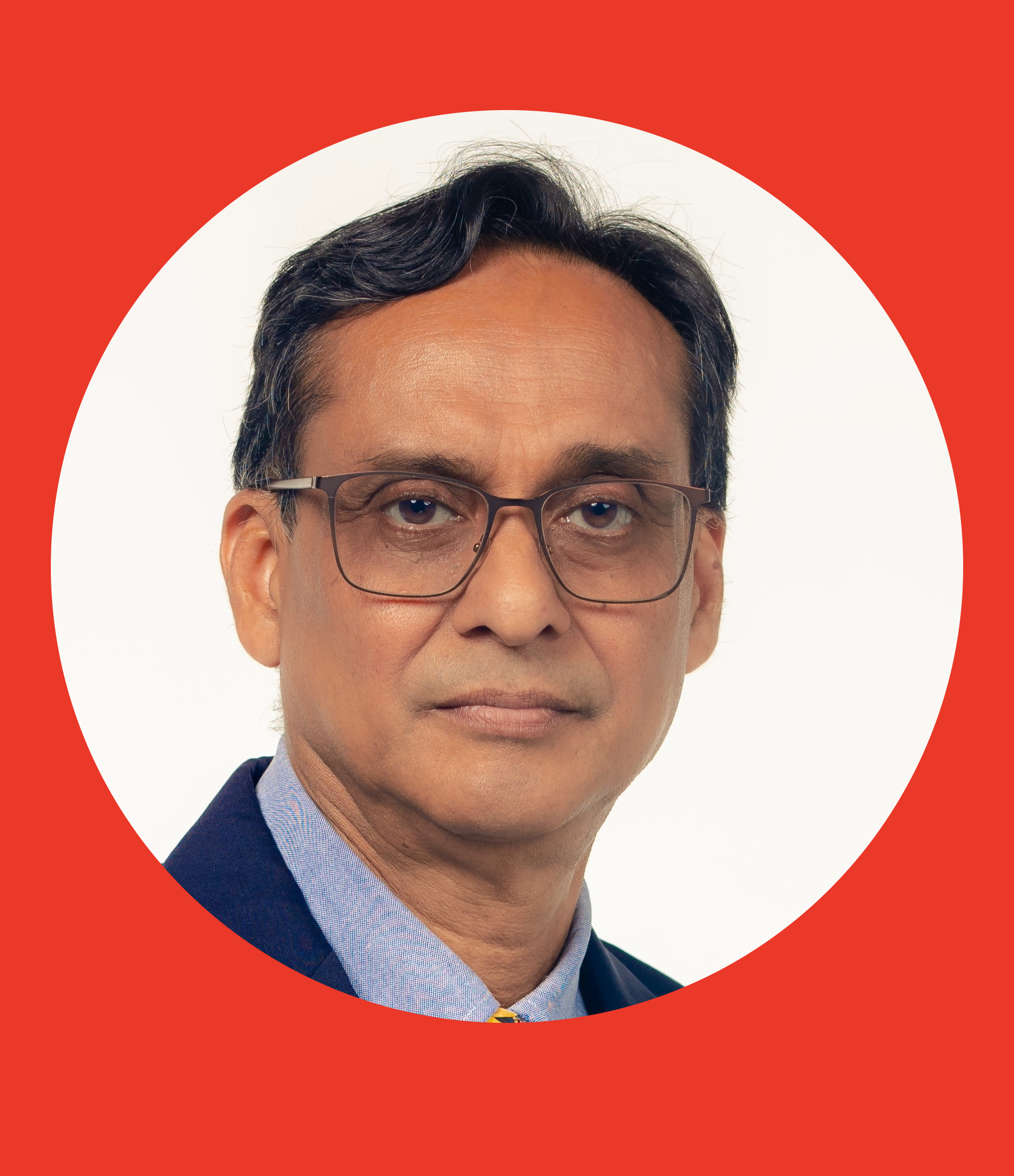
Sajjad Hamid is an SME & Family Business Adviser who supports entrepreneurs in scaling their ventures. In his spare time in Trinidad and Tobago, he cultivates organic tropical fruits and vegetables, practising sustainable farming in his home garden.
He is the author of Build Your Legacy Business: Solopreneur To Family Business Hero. Sajjad is a Fellow of the Family Firm Institute. He writes a column titled Entreprenomics in the Business section of the Trinidad and Tobago Guardian. You can contact him at [email protected] or visit www.entrepreneurtnt.com.
Responses