
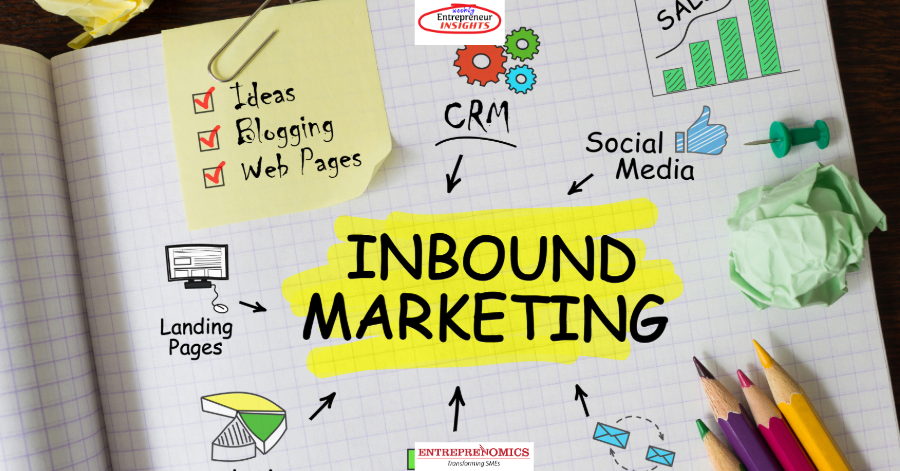
Inbound marketing is a way to attract customers to you rather than chasing them with cold calls, spammy ads, or hard sells. It’s about earning attention by being genuinely useful.
This is your weekly Entrepreneur Insights 5-minute read with ideas to improve your business.
At its core, inbound marketing works on a simple idea: help first, sell second.
What is inbound marketing?
Inbound marketing is a strategy where you create valuable content and experiences tailored to your ideal customers. Instead of interrupting people, you show up where they’re already looking for answers: search engines, social media, podcasts, YouTube, newsletters, and more.
When done well, prospects find you because:
- You answer the questions they’re already asking
- You show you understand their problems
- You prove you can help before asking for anything in return
Over time, this builds trust, authority, and a pipeline of warmer leads.
How inbound is different from outbound
Traditional outbound marketing is “push”: cold outreach, generic ads, mass emails to purchased lists. You pay for access to attention and hope to interrupt the right person at the right time.
Inbound is “pull”: you create content, tools, and offers that draw in people who are already interested. They raise their hand by reading, subscribing, downloading, or booking a call.
Outbound can work, but it’s often expensive, intrusive, and increasingly ignored. Inbound compounds: every useful article, video, or lead magnet can keep working for you long after you’ve created it.
The basic inbound engine
For most entrepreneurs, inbound marketing comes down to four steps:
1. Attract
Create content that speaks directly to your ideal customer’s pains, goals, and questions. Think of articles, videos, checklists, webinars, or a helpful newsletter.
2. Engage
Offer something more valuable in exchange for an email address: a guide, a mini course, a template. This turns anonymous visitors into known leads.
3. Nurture
Use email and consistent content to deepen the relationship. Share stories, case studies, and practical tips. Make offers, but keep the ratio heavily weighted toward value.
4. Convert
When the timing is right, invite them to take the next step: book a call, join a program, buy a product. Because you’ve built trust, conversion rates are higher and sales conversations are easier.
Why inbound matters
Buyers’ behaviour has changed. People research independently, compare options, and ask their networks before they ever talk to a salesperson. If you’re not showing up in that research phase, you’re invisible.
Inbound marketing is how you become the go-to resource in your niche, build an audience you own, and create a steady flow of qualified opportunities without depending solely on ads or algorithms.
Next step
Take one ideal customer question and turn it into a short, practical article for your next Entrepreneur Insights issue.
Quote for the week
“People don’t buy what you do, they buy why you do it.”
– Simon Sinek is a British American author, speaker, and leadership/marketing thinker
Workshop on AI

I will be speaking at the workshop on "Succession Planning for Family Business". I hope to see you there. Register here

Sajjad Hamid is an SME & Family Business Adviser who supports entrepreneurs in scaling their ventures. In his spare time in Trinidad and Tobago, he cultivates organic tropical fruits and vegetables, practising sustainable farming in his home garden.
He is the author of Build Your Legacy Business: Solopreneur To Family Business Hero. Sajjad is a Fellow of the Family Firm Institute. You can contact him at [email protected] or visit www.entrepreneurtnt.com.

Responses